
When to Install a Stainless Steel Chimney Liner: Signs, Benefits, and Professional Tips
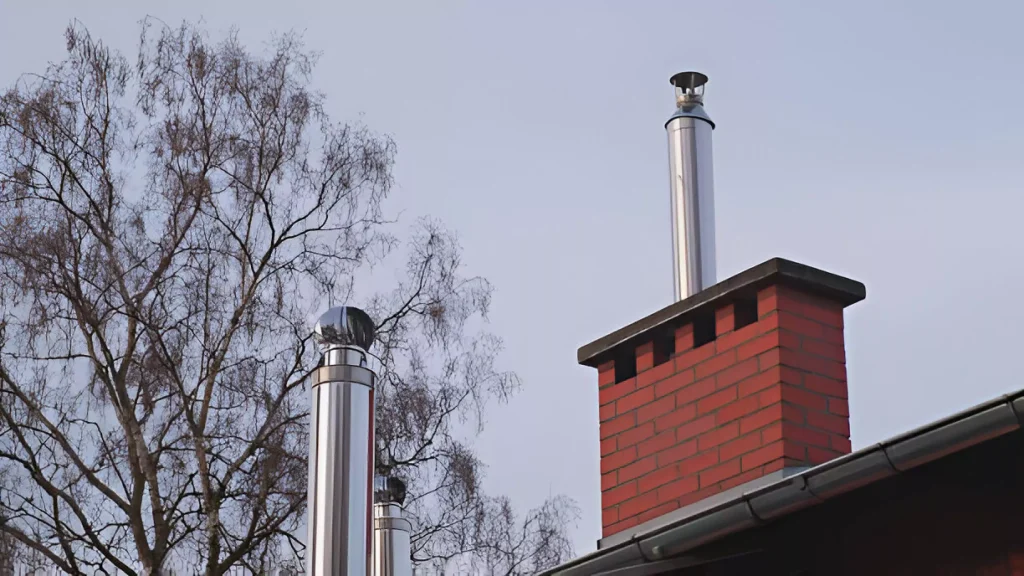
A well-functioning chimney is essential for keeping our homes safe and efficient, but many of us overlook one critical component: the chimney liner. Stainless steel chimney liners are a game-chanWhen it comes to protecting your chimney and enhancing its performance, installing a stainless steel chimney liner is one of the smartest decisions homeowners can make. But how do you know when it’s time to make the upgrade? Let’s explore the key signs and benefits of this essential chimney component.
Key Takeaways
- Stainless steel chimney liners improve safety, efficiency, and durability, making them a superior option to traditional materials like clay or tile.
- Cracked masonry, damaged flue tiles, moisture problems, poor draft, and unusual smoke or odors are clear signs it’s time for a liner upgrade.
- These liners enhance airflow, reduce creosote buildup, prevent fire hazards, and mitigate energy loss caused by unlined or damaged chimneys.
- Professional installation ensures a precise fit, adherence to safety codes, and a longer chimney lifespan, while DIY attempts risk improper sizing and sealing issues.
- Routine inspections and cleaning are crucial for maintaining the liner’s performance, preventing corrosion, and extending the chimney system’s health.
Benefits of Stainless Steel Chimney Liners
Stainless steel liners are a modern, long-lasting solution for addressing common chimney problems. They offer several advantages, making them an ideal upgrade for homeowners focused on safety and efficiency.
Durability and Longevity
Stainless steel liners are incredibly durable compared to clay or cast-in-place alternatives. Designed to resist extreme heat, these liners withstand high temperatures without cracking or warping. Their corrosion-resistant properties shield the flue from damage caused by moisture and acidic byproducts, safeguarding your chimney from long-term deterioration.
With professional installation and regular maintenance, stainless steel liners can last 15–20 years. For older chimneys or systems requiring flue liner replacement, they provide a dependable upgrade that preserves the structural integrity of your chimney.
Improved Safety and Efficiency
Safety is a primary concern for any chimney system, and stainless steel liners excel in reducing risks:
- The smooth interior surface minimizes creosote buildup, a leading cause of chimney fires.
- Improved airflow helps prevent smoke backflow and ensures efficient draft performance.
- Upgrading to a stainless steel liner addresses issues like poor drafting, unusual odors, and energy loss caused by damaged or unlined chimneys.
By enhancing airflow and reducing obstructions, these liners improve fireplace efficiency and make heating your home safer and more cost-effective.
Ease of Maintenance
Stainless steel liners are easier to maintain than traditional options. Their non-porous surface prevents moisture absorption, reducing the likelihood of corrosion and moisture-related problems within the flue.
Routine professional inspections and cleanings keep the liner in optimal condition. Quick and straightforward cleaning prevents creosote buildup and ensures the chimney remains energy-efficient and safe.
For more information on fire prevention or maintenance tips, refer to resources from reputable groups like the National Fire Protection Association (NFPA).
Signs It’s Time to Install a Stainless Steel Chimney Liner
Chimneys do more than just vent smoke; they protect your home from fire hazards and improve heating efficiency. Recognizing signs of damage or decline is essential in deciding when to upgrade to a stainless steel chimney liner. These durable, efficient liners enhance chimney safety, address flue deterioration, and ensure reliable performance.
Key Indicators for Liner Installation
Deteriorating Chimney Structure
A compromised chimney structure poses significant safety risks. Here are the key signs it’s time for a liner replacement:
- Cracks in Masonry: Missing or cracked bricks often signal underlying flue damage. Stainless steel liners shield the flue from further deterioration while stabilizing the structure.
- Damaged Flue Tiles: Broken tiles at the fireplace’s base indicate corrosion or heat-related damage. Flexible stainless steel liners are ideal for replacing such compromised sections.
- Moisture Problems: Water infiltration leads to rust and weakens the chimney over time. Non-porous stainless steel liners effectively combat moisture issues, preserving the system’s integrity.
Addressing these concerns promptly with a durable liner extends your chimney’s lifespan and ensures safe operation.
Poor Fireplace Performance
Declining fireplace performance often points to chimney efficiency problems. Watch for these signs:
- Draft Struggles: Difficulty drawing smoke upward may indicate liner damage or improper sizing. A stainless steel liner optimizes airflow, supporting better chimney draft performance.
- Cold Air Backflow: Damaged liners or poor insulation allow cold drafts to enter, increasing heating costs. High-heat-resistant liners create an energy-efficient barrier against backflow.
- Incomplete Combustion: Inefficient burning produces creosote, a sticky and flammable residue. Stainless steel liners help prevent creosote buildup, enhancing both safety and heating efficiency.
Routine professional inspections and maintenance ensure your fireplace operates smoothly and efficiently.
Unusual Smoke or Soot
Excess smoke or soot buildup often signals significant liner damage. These issues require immediate attention:
- Excess Smoke Indoors: Smoke escaping into living spaces suggests flue deterioration. A new liner eliminates smoke backflow, improving chimney safety.
- Black Soot or Stains: Soot accumulation around the chimney opening indicates cracks or ventilation issues. Stainless steel liners promote smooth airflow, reducing residue.
- Unpleasant Odors: Persistent burned wood or moisture smells may point to trapped debris or flue corrosion. Installing a stainless steel liner resolves odors and enhances indoor air quality.
Hiring certified professionals guarantees compliance with building codes and ensures fire prevention with liners. Find an expert certified by the Chimney Safety Institute of America (CSIA) or a similar reputable organization.
DIY Considerations
Upgrading to a stainless steel chimney liner is a transformative step that protects your home and enhances chimney performance. While professional installation is recommended, understanding the process provides clarity.
Professional Installation Process
Certified technicians follow a thorough process to ensure safety, compliance, and optimal results:
- Assessment: Inspecting the chimney for flue deterioration, moisture damage, or damaged liners helps identify areas needing attention.
- Measuring the Flue: Proper measurements ensure the liner fits securely. Flexible stainless steel liners are particularly useful for irregularly shaped flues.
- Clearing the Flue: Technicians clean the chimney to remove soot, creosote, and debris, improving airflow and preventing blockages.
- Installing the Liner: The liner is lowered into the chimney or guided upward, then secured with clamps and capped for a tight seal.
- Sealing and Insulating: Insulation around the liner prevents moisture problems, enhances performance, and extends the liner’s lifespan.
We recommend avoiding DIY attempts to ensure chimney renovation tips and upgrades align with safety standards. For best results, consult a professional experienced in damaged flue liner replacement and choosing durable liners suitable for your chimney.
Common Mistakes to Avoid
When installing a stainless steel chimney liner, it’s vital to avoid rushing into DIY projects or neglecting professional guidance. Errors like improper sizing, insufficient sealing, or skipping insulation can compromise safety, reduce efficiency, and lead to costly repairs.
Delaying installation when there are clear signs of chimney damage or performance issues can also worsen problems. Ignoring these warnings increases fire risks, energy loss, and the potential for expensive structural damage.
By scheduling regular inspections, seeking professional advice, and maintaining proper care, homeowners can ensure their chimney system remains safe, efficient, and long-lasting.
Frequently Asked Questions
What is a stainless steel chimney liner?
A stainless steel chimney liner is a protective lining installed inside a chimney flue. It safeguards the chimney from heat, corrosion, and creosote buildup while improving safety, efficiency, and durability.
How do I know it’s time to install a stainless steel chimney liner?
Key signs include cracked masonry, damaged flue tiles, excessive smoke indoors, poor draft performance, moisture issues, or noticeable backflow of cold air into your home.
How long does a stainless steel chimney liner last?
With proper maintenance, stainless steel liners typically last 15–20 years, offering a durable and reliable solution for chimney protection.
What are the main benefits of a stainless steel chimney liner?
These liners enhance safety by reducing fire hazards, improve energy efficiency through better airflow and insulation, and provide long-lasting durability with minimal upkeep.
Can I install a stainless steel chimney liner myself?
DIY installation is not recommended. Certified professionals ensure proper sizing, sealing, and compliance with building codes, reducing the risk of errors and safety hazards.
How does a stainless steel liner improve fireplace performance?
A stainless steel liner optimizes airflow, prevents heat loss, and reduces smoke or soot issues, resulting in better fireplace performance and greater energy efficiency.
Is professional installation necessary for a stainless steel chimney liner?
Yes. Professional installation guarantees a secure fit, compliance with safety standards, and enhanced overall chimney system performance.
How can I maintain my stainless steel chimney liner?
Regular inspections and cleanings by a professional chimney service are essential. These help prevent creosote buildup, address wear and tear, and ensure the liner’s durability over time.
Are stainless steel liners resistant to rust and moisture?
Yes, stainless steel liners are non-porous and corrosion-resistant, minimizing the risk of rust and moisture damage.
Where can I find trusted resources on chimney safety and maintenance?
Consult organizations like the National Fire Protection Association (NFPA) for expert guidance on chimney safety practices, maintenance tips, and fire prevention strategies.