
Why Professional Chimney Damper Installation is Key for Safety and Energy Efficiency
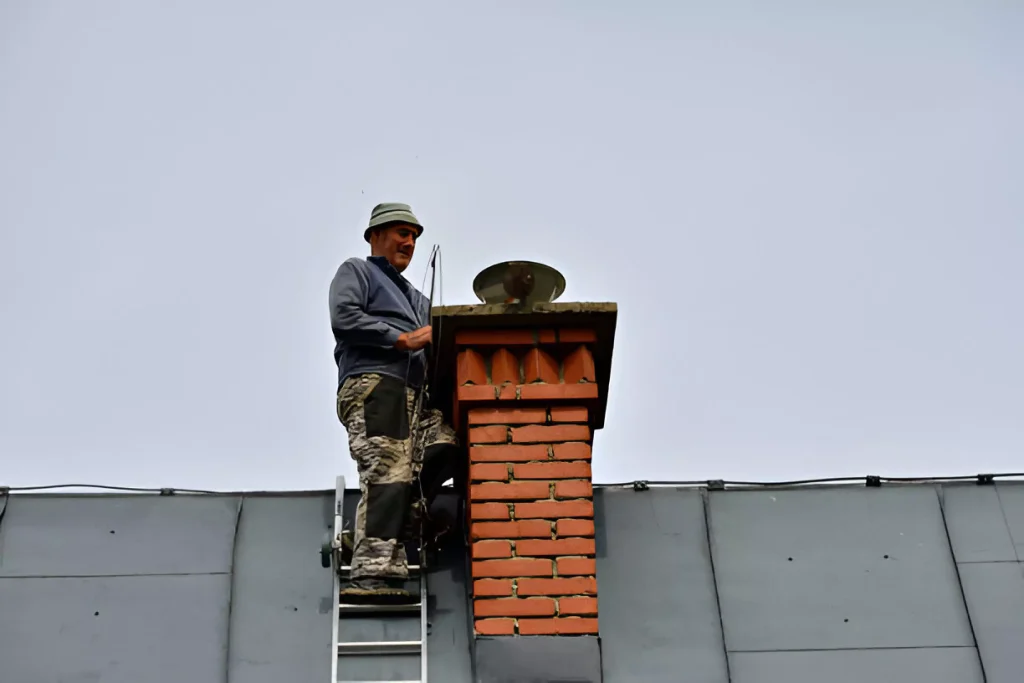
A properly installed chimney damper is essential for maintaining a safe and energy-efficient home. It regulates airflow, prevents heat loss, and keeps out debris and pests. However, a poorly installed damper can lead to increased energy bills, uncomfortable drafts, and even damage to the chimney system. That’s why professional chimney damper installation is key to ensuring it functions as intended.
By trusting certified experts, homeowners can avoid the risks of improper sealing and structural issues while benefiting from a reliable, long-term solution. Let’s delve into why professional installation matters, the advantages it brings, and how it’s done.
Key Takeaways
- Professional chimney damper installation enhances energy efficiency, preventing heat loss and reducing drafts.
- Dampers regulate airflow, with top-sealing dampers offering superior energy efficiency compared to traditional throat dampers.
- Certified professionals ensure proper installation, minimizing risks like carbon monoxide buildup and structural damage.
- Expert services deliver long-term benefits such as durability, cost-effectiveness, and compliance with building codes.
- The installation process involves cleaning, fitting, and testing to ensure optimal functionality.
Understanding Chimney Dampers
Chimney dampers are vital components for maintaining chimney efficiency and home safety. They control airflow, prevent heat loss, and improve insulation, making them a cornerstone of an effective chimney system.
What Is a Chimney Damper?
A chimney damper is a device installed inside the chimney to regulate airflow and provide insulation. It creates a seal between your home and the outside environment, keeping warm air in during the winter and blocking cold drafts.
When a damper is damaged or improperly sealed, energy efficiency drops, leading to higher utility bills and reduced chimney performance. Professional installation ensures a secure seal, enhancing both chimney safety and functionality.
Types of Chimney Dampers
There are two primary types of chimney dampers, each offering distinct advantages:
- Throat Dampers: These traditional dampers are installed above the firebox’s base and are commonly found in older fireplaces. They regulate airflow effectively but are prone to wear over time, which can lead to sealing issues. While functional, throat dampers are less energy-efficient than modern alternatives and may require repair or replacement for optimal performance.
- Top-Sealing Dampers: Located at the top of the chimney, these dampers provide superior insulation by completely sealing off the flue’s entrance. They prevent drafts, water infiltration, and debris accumulation while offering enhanced energy efficiency. Opting for a top-sealing damper can significantly reduce heating costs and improve overall chimney functionality.
Both types play a role in chimney draft management, but top-sealing dampers excel at reducing energy loss and enhancing fireplace efficiency, making them the preferred choice for modern chimney systems.
Importance of Professional Installation
Professional chimney damper installation is essential for ensuring safety, efficiency, and long-term usability. Without expert attention, dampers may fail to regulate airflow or prevent heat loss effectively, leading to safety risks, energy inefficiency, and costly repairs. Here’s why hiring a professional is a smart investment for your home.
Benefits of Professional Chimney Damper Installation
Accurate Installation
Professionals ensure the damper is correctly fitted and sealed, optimizing energy efficiency. This precise sealing minimizes heat loss in winter and prevents air-conditioned air from escaping during summer, maintaining comfort throughout the year.
Enhanced Safety
A professionally installed damper reduces risks such as chimney fires or structural damage. During the installation process, experts also inspect for safety concerns, including poor airflow or creosote buildup, ensuring the entire system operates securely.
Increased Longevity
Professional installations are tailored to the chimney’s specific requirements, using high-quality materials designed for durability. Trained technicians provide maintenance tips to prolong the damper’s lifespan and keep it functioning efficiently for years to come.
Cost-Effectiveness
While professional installation involves upfront costs, it saves money in the long run by avoiding errors that lead to expensive repairs or replacements. For instance, a well-installed top-sealing damper offers superior insulation and significant energy savings over time.
Risks of DIY Damper Installation
Improper Sealing
DIY installations often fail to achieve the precise sealing required for effective insulation. This can result in chimney drafts, reduced energy efficiency, and the need for professional repairs to correct mistakes.
Damage to Chimney Structure
Installing a damper requires careful handling of delicate components. Mishandling parts, especially during throat damper installation, can cause cracks or structural issues that compromise the functionality of your fireplace.
Safety Concerns
DIY work may overlook crucial safety factors, such as proper airflow control, increasing the risk of hazards like carbon monoxide buildup. Professionals follow strict safety protocols, ensuring a secure fit and reliable chimney operation.
Unexpected Costs
Inexperienced installations often lead to recurring issues, requiring additional troubleshooting and repair services. Ignoring signs that you need a new damper during a DIY project could escalate the problem, potentially resulting in costly chimney system replacements.
Legal Compliance Issues
Certain regions in the US have building codes governing fireplace upgrades, including damper installations. Certified professionals understand these regulations, ensuring your installation complies with local requirements and avoids legal complications.
For more information about fire safety and regulations, visit National Fire Protection Association.
The Installation Process
Installing a chimney damper is a precise process that enhances the safety and efficiency of your fireplace system. Professional installation involves careful planning, measured steps, and thorough post-installation checks to ensure the damper functions properly and provides long-lasting performance.
Initial Assessment
Before the installation process begins, a thorough evaluation of the chimney system is conducted:
- Evaluating Existing Chimney Components
Technicians check for damage, such as cracks, rust, or other issues that might interfere with the damper’s sealing or operation. - Determining the Right Damper Type
The chimney is matched with the appropriate damper type. Top-sealing dampers are ideal for energy efficiency, while throat dampers suit traditional setups. - Inspecting Heat Ventilation Needs
Professionals ensure the damper aligns with the home’s airflow requirements, preventing excessive drafts or heat loss.
If significant wear, damage, or airflow blockages are identified, repairs or cleaning may be necessary before proceeding with the installation.
Installation Steps
The installation process follows these detailed steps to ensure the damper is securely fitted and functions optimally:
Installing Cables or Handles
For adjustable dampers, accessible controls are added to allow easy opening and closing of the flue as needed.
Preparation
The chimney flue is thoroughly cleaned to remove soot, debris, or other obstructions that might affect the damper’s fit or operation.
Positioning the Damper
For throat dampers, the unit is positioned above the fireplace opening. Top-sealing dampers are mounted at the chimney cap for superior insulation and draft control.
Securing Components
High-quality, durable materials are used to secure the damper in place, ensuring it withstands weather conditions, temperature changes, and prolonged use.
Sealing the Joints
Proper sealing techniques are applied to create an airtight connection, preventing heat loss and avoiding leaks that could impact chimney efficiency.
For more on chimney safety, visit the National Fire Protection Association.
Choosing a Professional Chimney Installer
Selecting a skilled professional for your chimney damper installation is critical to ensuring safety, efficiency, and durability. Hiring an experienced expert reduces errors and safeguards your chimney system, making it a wise investment for any homeowner.
Factors to Consider
To make an informed choice, evaluate these key factors when selecting a chimney damper installer:
Experience and Certification
Look for certified installers with extensive experience in chimney damper installation. Certifications from reputable organizations like the Chimney Safety Institute of America (CSIA) ensure the installer follows industry standards and employs best practices.
Knowledge of Damper Types
Ensure the professional understands various types of chimney dampers, such as top-sealing and throat dampers. A knowledgeable installer will guide you toward the best option for your chimney system and explain how energy-efficient dampers can enhance performance while reducing heat loss.
Local Expertise
Choose someone familiar with regional chimney maintenance challenges in the US. Local professionals are better equipped to recommend solutions that account for weather conditions and comply with safety regulations.
Solid Reputation
Check reviews and ask for references to assess the installer’s track record. A well-reviewed professional is more likely to deliver secure damper installation and improved chimney safety. Personal recommendations or feedback from trusted online platforms can provide valuable insights.
Service Guarantees
Confirm whether the installer offers warranties for their work. A service guarantee provides peace of mind, protecting against potential post-installation issues, such as improper damper sealing.
Common Pitfalls and Solutions
Avoid common problems by prioritizing quality and expertise:
- Problem: Lack of experience can lead to improper installation.
Solution: Verify the installer’s certifications and years of service. - Problem: Cheap services often compromise quality.
Solution: Balance cost with skill and prioritize proven expertise. - Problem: Poor understanding of airflow control may result in an ineffective damper.
Solution: Ensure the professional is well-versed in chimney airflow management.
Questions to Ask Your Chimney Damper Installer
Asking the right questions helps clarify doubts and ensures you hire a qualified professional:
What Types of Dampers Do You Install?
Inquire about their expertise in installing top-sealing dampers, custom options, and retrofitted dampers. Ensure they can recommend the best type for improving chimney draft and efficiency.
What Is the Cost of Damper Installation?
Request a detailed cost breakdown, including any additional services like damper maintenance tips, replacements, or fireplace upgrades. Transparent pricing helps avoid hidden fees.
How Do You Guarantee Secure Installation?
Understand their methods for ensuring airtight seals and chimney safety. Ask if the process includes troubleshooting damper issues or post-installation inspections.
Do You Offer Post-Installation Services?
Check whether they provide regular damper maintenance, professional inspections, or repair services. These services extend the lifespan of your damper and help identify early signs of wear.
Can You Address Draft or Heat Loss Problems?
Confirm their expertise in preventing chimney drafts and improving efficiency. Skilled installers will use durable materials and proper sealing techniques to resolve these issues effectively.
These queries can save time, money, and future complications. Avoid DIYs, as they often lead to issues like improper sealing, unregulated chimney draft, and inadequate safety mechanisms. Proper inspection and expertise are essential; consult certified professionals for reliable results. For more on fire safety, visit the National Fire Protection Association (NFPA).
Cost Considerations
Choosing professional chimney damper installation is an investment that delivers significant long-term benefits. While DIY options may appear cheaper upfront, the risks of improper installation can lead to higher costs, reduced efficiency, and potential safety hazards.
A properly installed damper by certified professionals ensures energy savings, fewer maintenance needs, and long-term safety. It’s a cost-effective decision that not only enhances the reliability of your chimney system but also adds comfort and value to your home. Prioritizing quality over shortcuts is the best way to protect your investment and enjoy peace of mind.
Frequently Asked Questions
What is a chimney damper, and why is it important?
A chimney damper is a device that regulates airflow within your chimney. It prevents heat loss by keeping warm air inside during colder months and blocks cold drafts when the fireplace isn’t in use. Chimney dampers are essential for improving energy efficiency and maintaining proper insulation.
What are the main types of chimney dampers?
The two primary types of chimney dampers are throat dampers, typically found in older fireplaces, and top-sealing dampers, which are more energy-efficient. Top-sealing dampers provide better insulation, improve chimney efficiency, and help reduce energy costs.
Why should I hire a professional to install a chimney damper?
Professionals ensure that the damper is installed safely and correctly, minimizing risks such as improper sealing, chimney damage, or non-compliance with local codes. Their expertise ensures durability, energy efficiency, and the overall safety of your chimney system.
How does a chimney damper save energy?
By controlling airflow, a damper prevents warm air from escaping during winter and blocks cold drafts. This helps maintain a consistent indoor temperature, reduces the workload on your heating system, and ultimately lowers energy bills.
What is the installation process for chimney dampers?
The process involves assessing the chimney, selecting the appropriate damper type, cleaning the flue, securing the damper components, sealing joints, installing controls, and conducting final tests. This ensures optimal performance and efficiency.
What are the risks of DIY chimney damper installation?
DIY installations often lead to issues such as improper sealing, damage to the chimney structure, and overlooked safety concerns. These mistakes can result in increased energy costs, inefficient operation, and potential hazards like chimney fires.
How can I choose the right professional chimney installer?
Select an experienced and certified professional with a strong reputation. Look for certifications such as those from the Chimney Safety Institute of America (CSIA). Check reviews, ask questions about their expertise, and ensure they adhere to local safety and installation standards.
Are top-sealing dampers better than throat dampers?
Yes, top-sealing dampers are superior in terms of energy efficiency and insulation. They reduce heat loss more effectively, improve fireplace performance, and help lower energy bills over time compared to traditional throat dampers.
How often should chimney dampers be inspected?
Chimney dampers should be inspected annually as part of a routine chimney cleaning. Regular inspections help ensure they function efficiently, remain in good condition, and prevent issues like airflow blockages or structural damage.
Can a damaged chimney damper affect my fireplace’s performance?
Absolutely. A damaged or malfunctioning damper can cause poor airflow, increased energy bills, and safety risks like smoke backflow or chimney fires. Timely repairs or replacements are crucial for maintaining optimal performance.risks like chimney fires. Prompt repairs or replacements are essential to maintain efficiency and safety.