
Is Your Chimney Affecting Your Indoor Air Quality?
Active chimneys are responsible for a variety of air-quality issues. The biggest concerns are smoke, carbon monoxide and mold.
Advanced Chimney of Hackensack, NJ, would like to explain how a chimney can contribute to these three problems and how you can prevent them in your home.
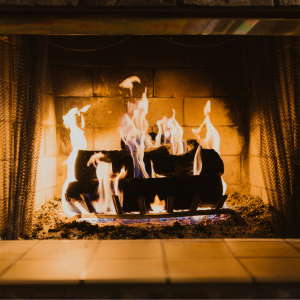 Flue Blockages Send Smoke and Gases Into Your Home’s Air
A chimney loaded with creosote, soot, and outside debris will cause the fireplace to draft sluggishly. This can lead to smoke and deadly carbon monoxide backing up into your room and home.
Properly built chimney flues and their liners are sized to draft the fireplaces they’re connected to. When a flue becomes narrowed, it’s the same as building a wrong-sized chimney for your fireplace.
Debris in a chimney can include:
- Leaves
- Twigs
- Falling fruit pieces
- The nests of small animals
- Small animals that die in the flue
Leaks Through a Damaged Chimney Liner
Another way smoke and combustion gases can enter your home’s air is through cracks or breaks in the chimney liner. All types of liners can become damaged over time, including stainless-steel, poured-in-place, and clay tile liners.
Smoke, whether it’s backing up from a flue obstruction or seeping out through cracks in the liner, can be a serious air-quality problem. But an even greater problem is the carbon monoxide carried in smoke. This gas is invisible and odorless, but it’s known to be dangerous – and sometimes deadly – to people and animals when breathed in sufficient quantities.
Mold In the Air
A leaky chimney is a common starting point for mold growth. This is especially true when the leak is in the interior areas of the chimney or beneath the roof in parts of the home you can’t or don’t usually see.
The most dangerous kind of mold is the kind you don’t know about. Because it’s a living organism, mold, in all its varieties, can grow and multiply. Eventually, mold spores can become airborne, and if they circulate through the HVAC system, you can see mold showing up in all kinds of places in your home.
When mold is inhaled, it can cause respiratory problems from mild to severe. For some people, mold in the lungs can be deadly.
Solving Air-Quality Issues Related to Your Chimney
As bad as all this sounds, the solutions to prevent it and resolve it aren’t that complicated when you work with experienced chimney and mold professionals.
- A quality chimney cap will keep animals and debris (and rain and snow) out of your chimney flue.
- Chimney sweeping will remove built-up creosote, tree debris, animal nests, and small animals from your chimney.
- Chimney liner repair or relining will resolve cracks and breaks. Chimney repairs will fix leaks in the chimney crown, masonry, flashing, and other parts of your chimney.
- Professional mold remediation will rid your home and its air of dangerous mold.
- A carbon monoxide monitor near your fireplace will alert you to the presence of this gas.
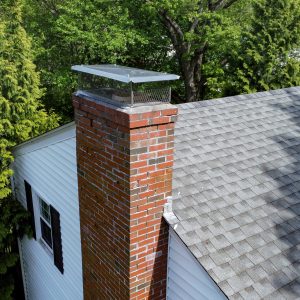
Indoor Air Quality is Tricky
You can’t always see indoor air-quality issues with the naked eye, particularly when they involve hidden mold, carbon monoxide, and certain types of chimney leaks.
If it’s time to look into solutions for your home’s air quality, call Approved Chimney of Hackensack, NJ. We provide CSIA-certified chimney sweeping, chimney repairs, chimney relining, and licensed chimney inspections.
Reach a chimney pro by phone or through our contact form.